
FROM IDEA TO IMPACT: CONNECTING FIELD OBSERVATIONS TO GBIF
Turning a conservation need into a real-world solution
Every day, conservation teams collect valuable biodiversity data in the field — from ranger patrols and biodiversity surveys to camera traps. Yet much of this data remains within individual organisations and never reaches the global biodiversity community. At Sensing Clues, we believe that valuable conservation data should be easier to share while giving the organisations that collect it control over what they publish and how. That is why we are excited to announce the start of a new 12-month project funded by the Netherlands Biodiversity Information Facility (NLBIF). The project “From Field Observation to GBIF – Data Sharing from the Sensing Clues Platform” will develop a new Sensing Clues–GBIF Data Sharing Wizard, enabling our Field Partners to select the data they want to share and publish it to GBIF.org. But this project is about more than building a technical connection. It is about turning an idea into a solution that works in the real world — together with the conservation teams who will use it.
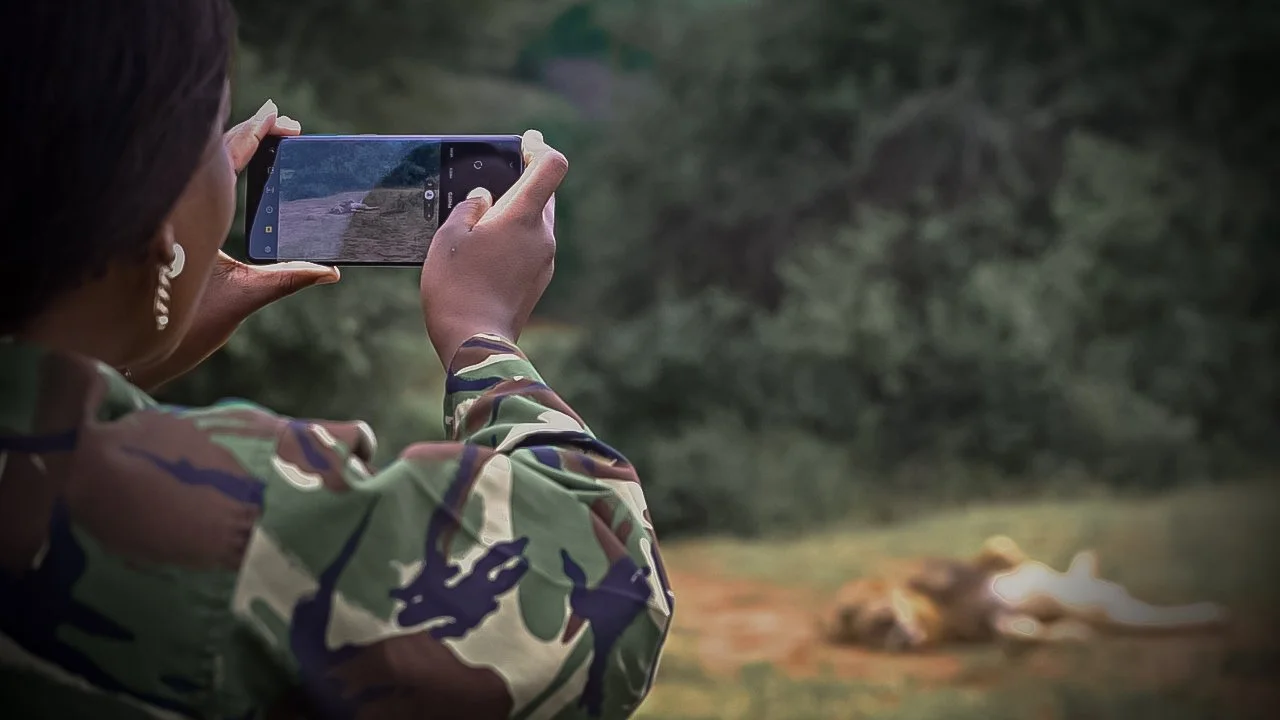
From idea to impact
The journey starts with a simple question: How can we make it easier for conservation organisations to share their biodiversity data with the global community? Over the coming year, we will turn this idea into a practical, open-source solution. We will map the Sensing Clues data model to Darwin Core, a common standard for sharing biodiversity data, and develop the Data Sharing Wizard. The data will then be published through the GBIF API, which connects Sensing Clues directly with GBIF. With several Field Partners across different regions and conservation contexts helping us test and refine the solution in real-world workflows, we aim to ensure it works in practice. By the end of the project, all involved partners will have published at least one dataset on GBIF.org, laying the foundation for a scalable approach that can benefit more conservation organisations in the future.
Built with conservation teams, for real-world use
For us, the most important part of this project is how we build it. Field Partners from across Europe and Africa will be involved throughout the project, including By Life Connected (Zambia), Aevis (Slovakia), WWF Romania (Romania), Oikos (Tanzania), the Bulgarian Academy of Sciences (Bulgaria), and Wildlife Works (different countries). Together, they bring different conservation contexts and experiences to the development of the solution, helping us understand their needs, test workflows, identify challenges and refine the solution along the way. Because a technical solution only creates value when it works for the people using it in practice. This is how we approach our work at Sensing Clues: we don’t just develop ideas. We build, test, learn and deliver solutions that work in the real world.
From local observations to global biodiversity knowledge
The project has the potential to make a significant amount of high-quality field data available to the global GBIF community, particularly from regions that are currently underrepresented on GBIF.org, including Zambia, Tanzania, Romania and Slovakia. At the same time, the new infrastructure will provide a scalable approach that can be used by additional Sensing Clues Field Partners — and potentially inspire similar data-mobilisation approaches across the conservation technology community. We are excited to begin this journey and to work closely with our Field Partners, NLBIF and the wider GBIF community.
Are you also interested in working with us to make biodiversity data more accessible and actionable?