
SPRING CRANE MIGRATION, CO-CREATION, HACKATHONS, AND NEW RADAR FEATURES
From the desk of Dr. Koen de Koning: Latest news & insights
A Look at the Spring Migration
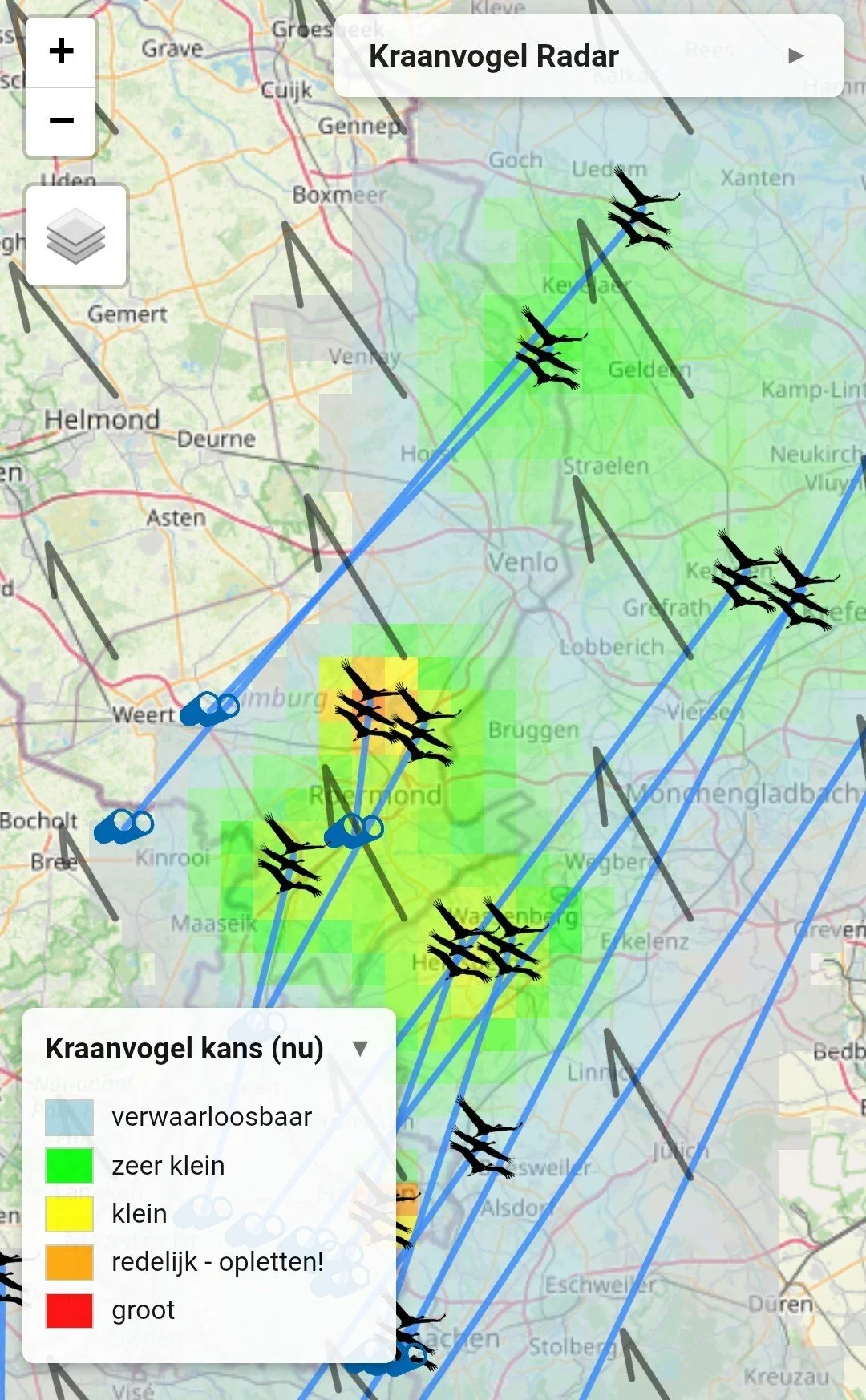
The first groups of cranes were already flying over Limburg on February 4.
This year, cranes were observed unusually early over the Netherlands, with sightings beginning in the first week of February and an early peak around February 7. These cranes usually winter in France and breed in northern Germany and Poland. Strong southeasterly winds temporarily pushed them west of their usual migration route, creating good conditions for observing cranes over the Netherlands.
Since then, the main migration has begun. A major migration day occurred on February 25, when an estimated more than 45,000 cranes crossed the Benelux. Particularly large numbers were recorded in Limburg, including nearly 28,000 cranes counted in Wittem (South Limburg).
The spring migration is not yet finished. Thousands of cranes are still south of the Benelux and have yet to continue their journey north. Younger birds often migrate later than adults because they are not yet ready to breed. These birds are the typical latecomers of the spring migration. With sunny weather and southeasterly winds, good chances remain to observe cranes passing over the Netherlands. Keep an eye on the Crane Migration Radar, where the latest observations and updates are shared in the “News” section.
Crane Radar Co-Creation Session
On Friday 21 November 2025, developers and users of the Crane Migration Radar gathered to share experiences and explore how the radar could be further improved. Listening was central to the session: as developers, we wanted to better understand how the radar is used in the field, and what questions and challenges arise.
Through three rounds of discussion, participants reflected on their experiences with crane watching and the radar, and worked together to develop concrete proposals for improvement. The session also included an interactive presentation on the scientific foundations of the radar, offering insight into how crane migration can be measured and translated into a mathematical model.
The session proved both productive and insightful, with several ideas already incorporated into the latest version of the Crane Migration Radar. Participants expressed a desire for more information about the radar and the cranes — for example, how to recognise a crane in flight. Many also noted how the radar fosters a shared sense of awareness and connection among observers: “we are the crane watch!” — a reminder that migration is not only detected, but collectively witnessed.
Hackathon
Following the last Co-Creation Session, we began translating ideas into concrete improvements for the Crane Migration Radar. On Tuesday 27 January, the team gathered in Wageningen for a hackathon (a combination of “hack” and “marathon”) — an intensive working session focused on bringing new features into production. In a focused and collaborative atmosphere, developers worked to ensure that user feedback leads directly to meaningful changes.


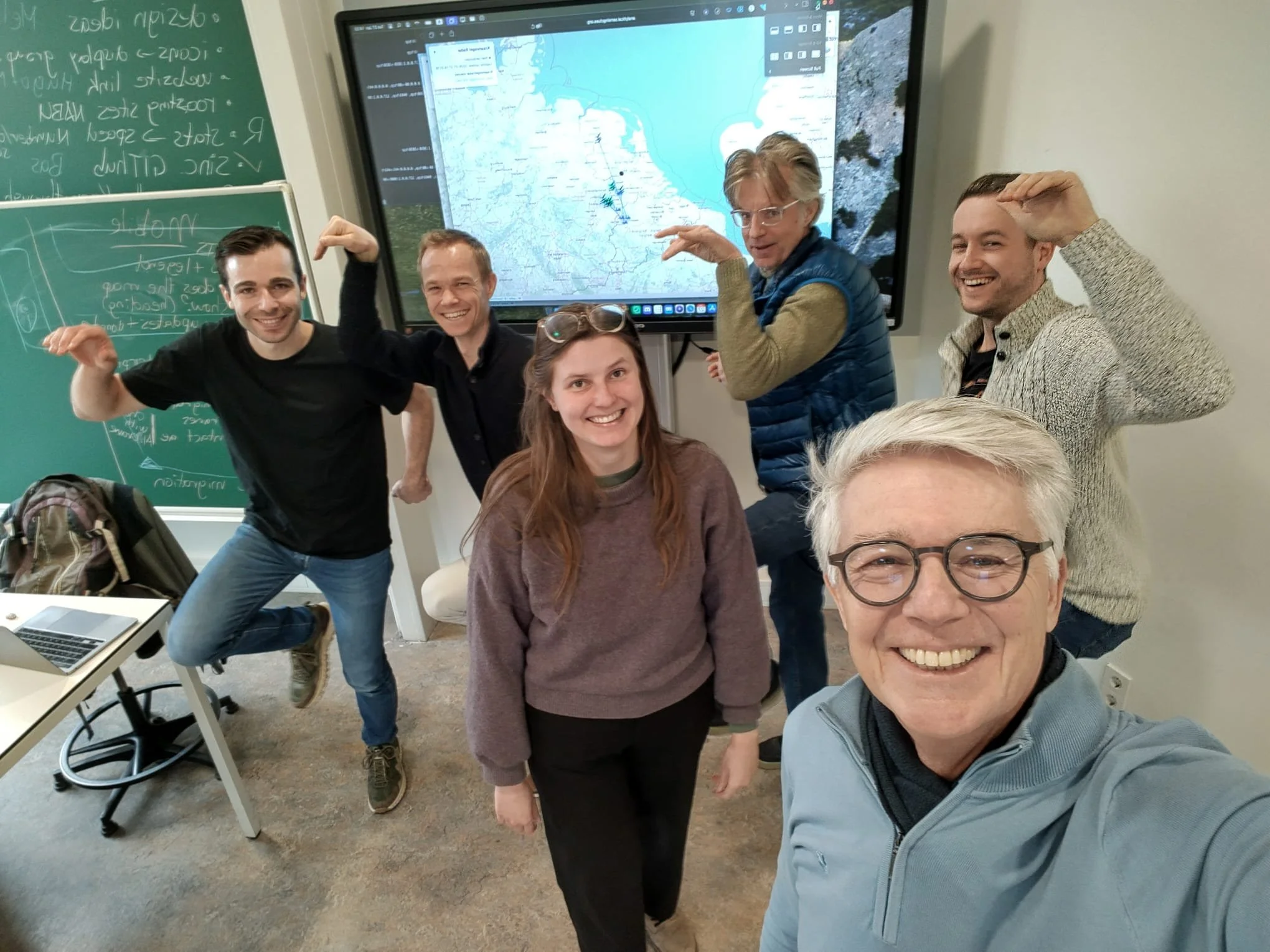
These are the most important improvements:
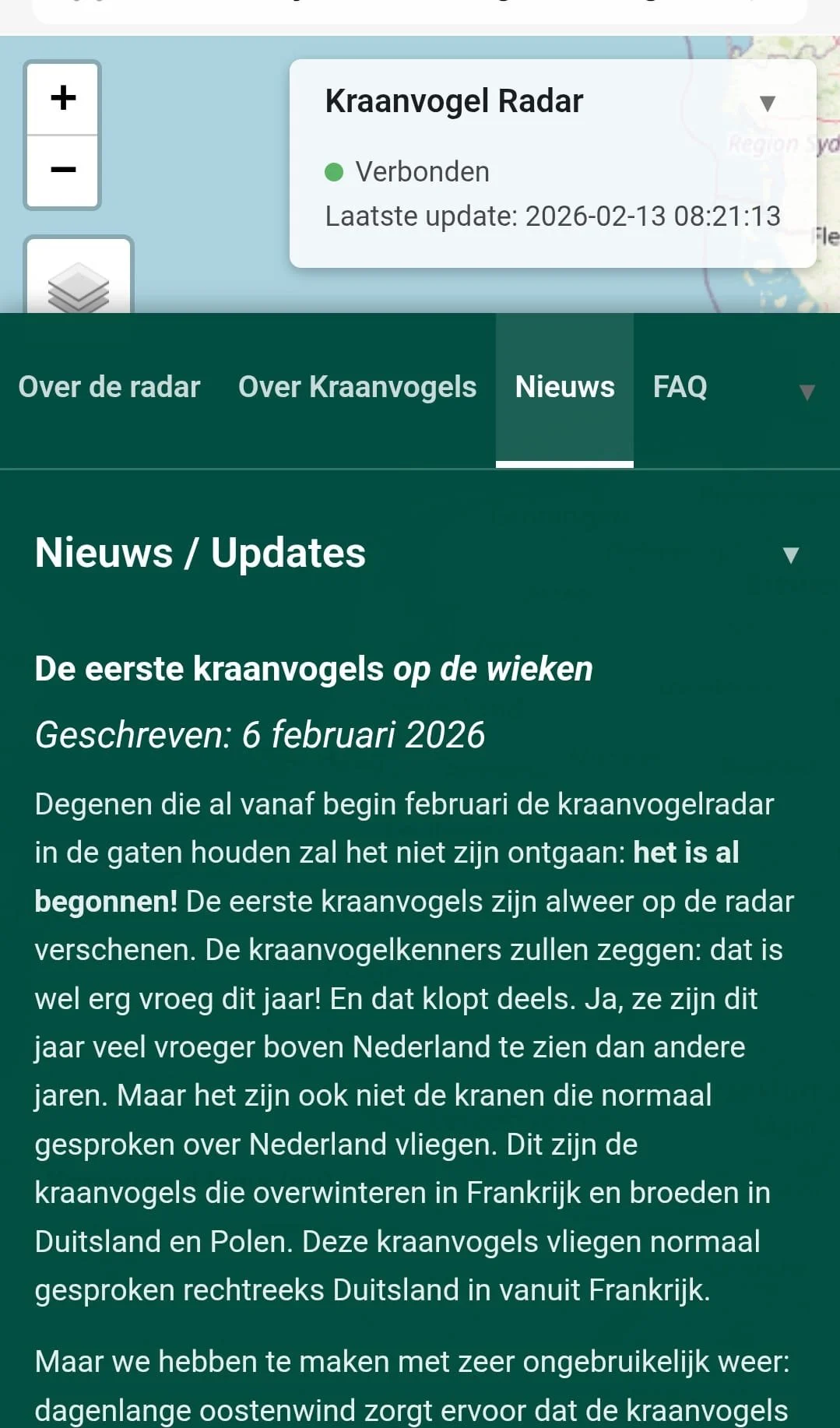
The radar is now always available
Previously, the radar could become unavailable on busy migration days (“Error: too many users”). This was a major concern, and we have implemented significant technical improvements to ensure the radar remains accessible to everyone. The coming migration season will be the true test.There is always something to see
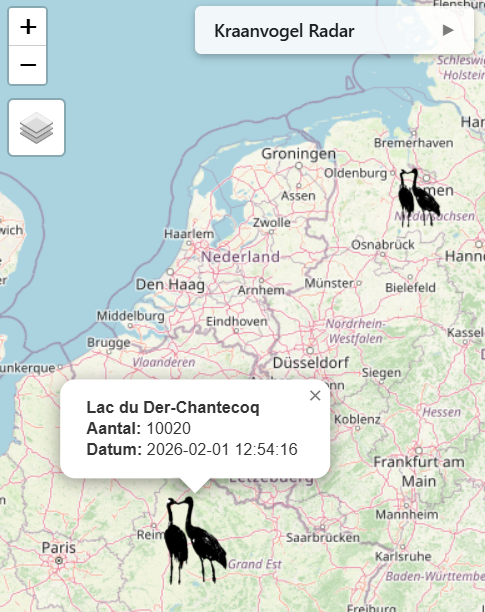
On days without migration observations, the map was empty. Important resting sites are now shown as icons that change in size depending on the number of cranes present. By clicking on an icon, you can view the most recent counts for that location.More context and guidance
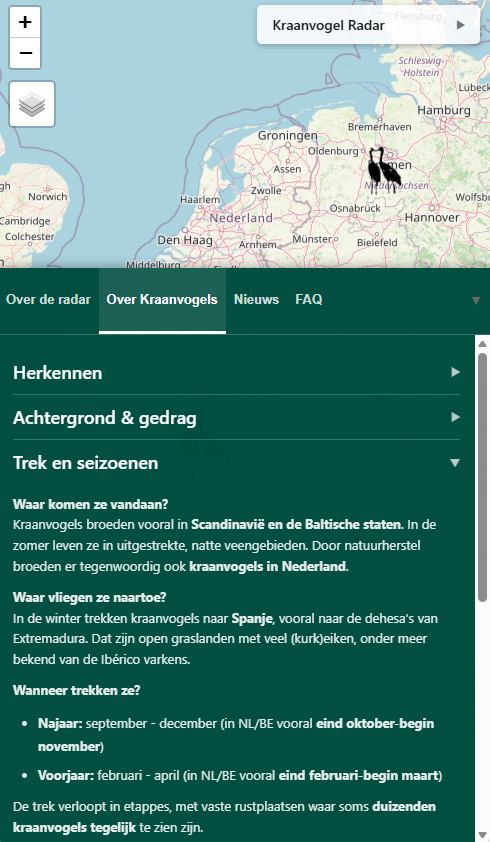
Users told us they want to better understand what they are seeing. A new green information panel at the bottom of the page explains how to recognise cranes, how migration appears on the radar, and how cranes differ from other species such as geese. The panel can be hidden if preferred. A new “News” section also provides timely updates, including alerts for major migration events.Clearer flight icons that indicate group size
Icons showing cranes in flight now reflect group size. Small groups of fewer than 10 birds appear as a single crane, while large flocks of 100 or more birds are shown as a large flock symbol. This makes it easier to interpret the activity at a glance — and to determine when it is worth going outside.
Meet Other Crane Enthusiasts and Help Improve the Crane Migration Radar
The November Co-Creation Session was one of three sessions organised to further develop the Crane Migration Radar. The next Crane Radar Co-Creation Session will take place on Saturday morning, 14 March, at the iconic Jachtslot Mookerheide, surrounded by woodland near Nijmegen and within walking distance of Mook-Molenhoek railway station.
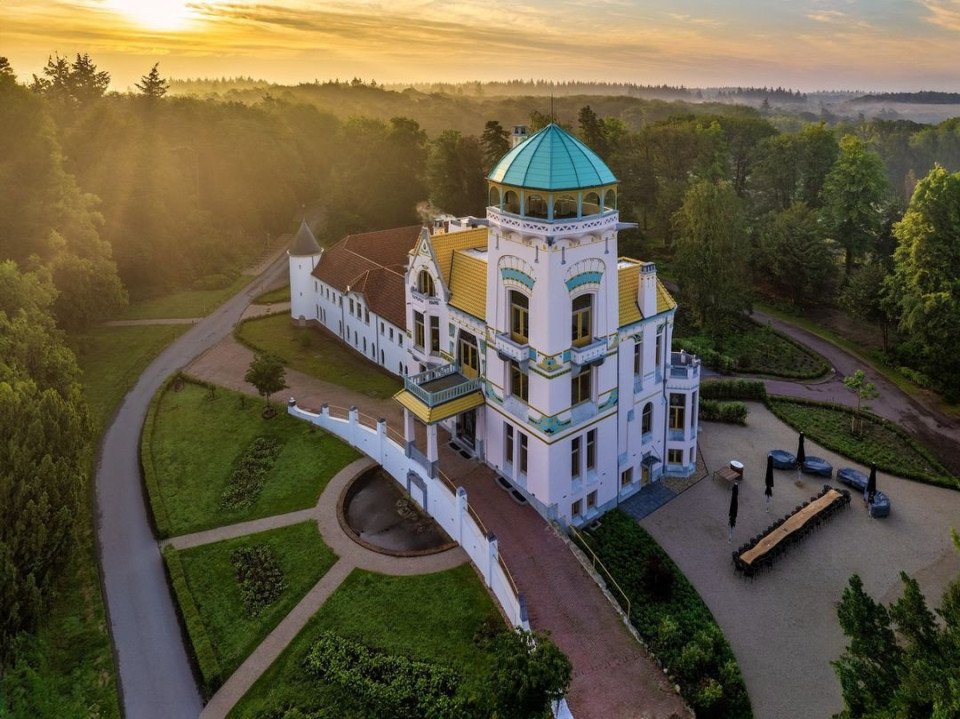
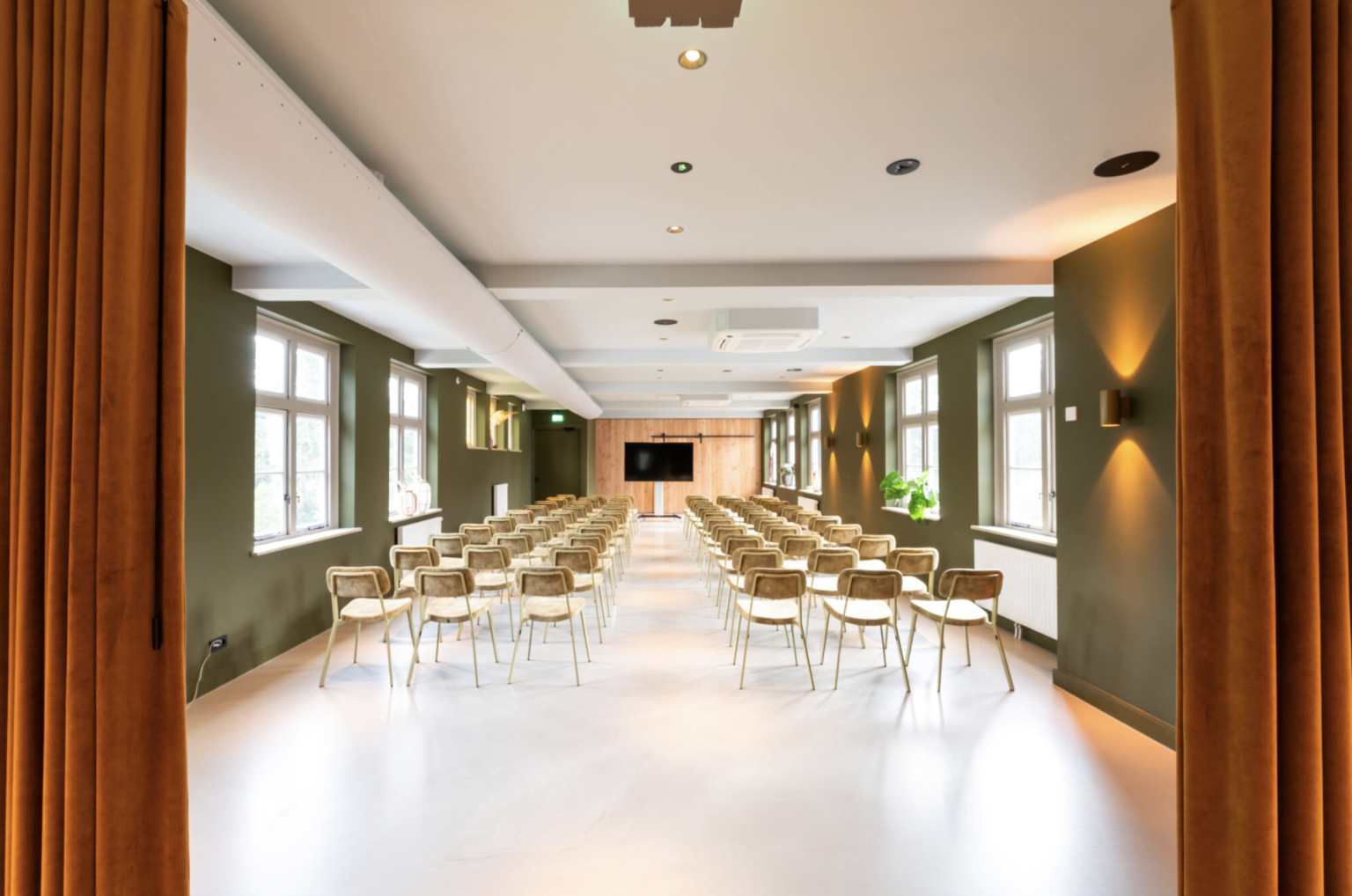

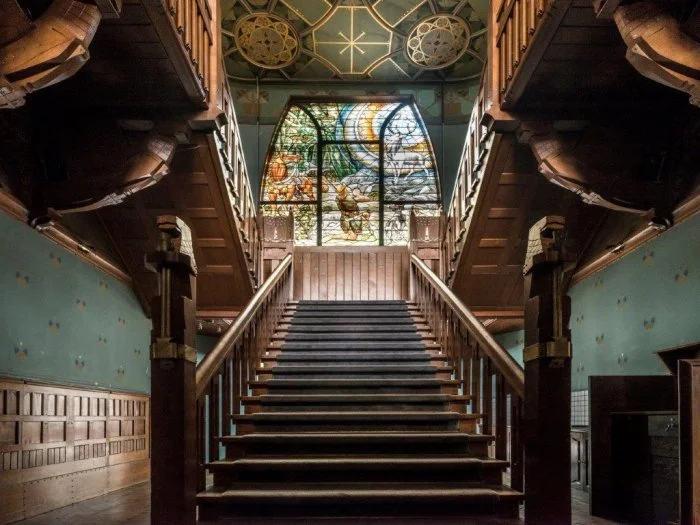
The Crane Radar Co-Creation Session on Saturday, 14 March is unfortunately alreday fully booked! The third session is scheduled to take place soon. Stay up to date – sign up for the Crane Radar Newsletter.
Help keep the Crane Migration Radar in the air
We are overwhelmed by how many of you use and value the Crane Migration Radar. Behind every crane you follow is a small team of dedicated volunteers working hard to keep the radar running and continuously improving it. To continue this important work, we need your support.
Every tax-deductible donation – large or small – makes a real difference. Your contribution helps keep the radar online and supports our volunteer team.
Together, we can continue to track and protect these remarkable birds. Thank you for being part of this journey.
Stay up to Date with the Crane Migration Radar Newsletter
Be the first to know when cranes are on the move. Our newsletter brings you migration updates, radar news, and insights from our volunteer team directly to your inbox. It’s the best way to stay connected to the project and the remarkable journeys of these birds.